While training is rightly considered the primary means of improving athletic performance, sports nutrition is often equally important.

It is often overlooked, as if it were something accessory to improving physical performance, but, especially for some sports, such neglect can have a much more detrimental impact on progress than is commonly imagined.
The contents of this article are intended for all those who have boldly chosen to optimize their nutrition for sports.
Well, the production of a sports nutrition protocol goes through several phases, from the preliminary setting of the objectives to the final drafting of the dietary protocol.
The goals of nutrition for sports
All athletes, as such, have a single need: to improve performance. Now, it can essentially be said that sports nutrition has two potential benefits for athletic performance:
- Speeding up and improving the quality of recovery from training fatigue, so you can perform better and faster;
- Optimizing body composition for athletic purposes.
Regarding this last point, it must be specified that the human body is basically made up of only three components: water, cells and fat.

Well, as for the former, it normally makes up about 60% of the body. It doesn’t directly affect performance, but excessive deviations in body water percentages from the normal, even optimal, level could lead to health problems that can indirectly impact performance. Maintaining a physiological body water mass, barring specific pathological conditions, requires very simple nutritional measures. First and foremost, drinking an adequate amount of water daily (it’s generally recommended to drink at least two liters of water a day, but for athletes who practice disciplines that require a lot of sweating or who exercise in very hot climates, the required intake may be higher).
The discussion becomes more complex when it comes to the other two components of body composition: cells and fat. These two components are much more difficult to optimize in the context of sports nutrition. By cells here, we generally mean muscle cells, and athletes with different needs require different amounts of muscle mass. A strength and power athlete, such as a weightlifter, for example, may need more muscle mass as a source of strength, while a marathon runner will be unnecessarily burdened by an excessive amount. Then there are athletes who must balance the need to increase their strength with the need to remain lightweight in order to move more easily or to fit into a certain weight category.
as for fat, most athletes want to get rid of it since it’s essentially inert ballast, but there are exceptions. Some long-distance swimmers, for example, may benefit from having a moderate amount of body fat, as it helps the body float on the water.
You can learn more about this topic on the page The influence of body composition on athletic performance.
Identifying the ideal body composition
Each athlete, therefore, has their own specific needs in terms of body composition, and before establishing a sports nutrition protocol, it’s a good idea to try to identify the ones you intend to satisfy.

A highly effective way to identify a body composition goal is to refer to the Heath and Carter somatotype, and more specifically, to its graphic representation: the so-called somatochart. The somatochart correlates lean tissue, fat tissue, and body morphology, providing an immediate visual indication of how these three components can be distributed. Depending on your athletic needs, you can identify a zone (or even a single point) on the somatochart associated with your ideal body composition, which you can strive for using sports nutrition.
If you want to know more about somatotype and somatochart, you can visit the pages The somatotype of Heath and Carter and The Somatotype on this site or visit the page relating to the Somatotypes entry on Wikipedia.
Analysis of the initial situation
Once you’ve established the goal you want to achieve with your sports nutrition, you also need to understand your starting point.

A first indication can be body weight, but it would be simplistic to want to reduce the analysis to this data alone.
To get a better indication of your current level, you will need to use some slightly more complex methods.
One of these is bioimpedance analysis, which provides information on the distribution of the three components of body composition using a special instrument called a bioimpedance meter. For more information, you can read the page Bioimpedance analysis and the metabolic index.
Then comes the calculation of your somatotype and the identification of the point on the somatochart where your current body composition lies, so that it can be compared with the ideal one previously identified as being achieved through sports nutrition. The mathematical calculation requires body data, some of which are relatively easy and common to collect (weight and height), others are a little more difficult, but still accessible to anyone willing to put in the effort to learn the method. I am referring specifically to measuring the diameters of certain bones and determining surface body fat using a special method called plicometry. This method also allows for a more immediate estimate of body fat. To learn more, visit the page Estimating fat mass with plicometry.
Calorie requirement estimation
Once you understand your current body composition and how it should be compared to the previously identified ideal, it will be clear which direction you should move in. For example, if your cellular component is low and your fat content is high, your sports nutrition protocol must be designed to correct this condition.
In this regard, the first thing to do is to estimate the caloric requirement, that is, the quantity of energy sources to be supplied to the body through sports nutrition. There are many calculations to make this estimate , but they are all quite simple (e.g., the Katch and McArdle equation). However, these are only estimates, and as such, they can also be very imprecise.
To avoid mistakes when setting your calorie intake, the best way to understand your actual needs and consequently plan your athlete’s diet would be to keep a food diary , even if only for a short period: by keeping track of what you eat and in what quantities, and monitoring how your body composition changes over the observation period, it will be possible to get a more precise idea of your needs.
You can learn more about how to determine your calorie requirements by visiting the page Assessment of required calorie intake.
Setting the caloric quality
The human body derives energy from three components of food. These components, called macronutrients, are carbohydrates (also called glucides), fats (or lipids), and proteins (or proteids).
Now, carbohydrates and proteins provide 4kcal/g, while fats provide 9kcal/g, but beyond their caloric intake, macronutrients exert influences on the body’s biology, affecting both recovery from training and competition fatigue and body composition. These factors must therefore be considered when discussing diet and exercise, or more generally, exercise and food.
Proteins, for example, have a plastic role before an energetic one. Since they constitute muscle tissue, an athlete with muscle hypertrophy needs (i.e., who needs to increase muscle mass), when setting up their sports nutrition protocol, must ensure that an appropriate amount of the calories they need come from protein.

Another typical example is the influence carbohydrates have on insulin, the anabolic hormone that regulates blood sugar levels by promoting glucose absorption by cells. After digestion, carbohydrates become glucose, increasing its concentration in the blood and requiring more insulin. Insulin not only lowers blood sugar levels, but also stimulates muscle cells to retain protein, promoting hypertrophy, and adipocytes to store fat, increasing fat mass. For this reason, many weight-loss diets recommend reducing carbohydrates not so much for calorie reduction, but for the role of insulin in the accumulation of adipose tissue.
Depending on your body composition goals and your recovery needs, you will need to establish a sports nutrition protocol in which the three macronutrients are distributed in the most appropriate proportions.
A marathon runner, for example, will have to prioritize carbohydrates and fats, consuming a relatively small amount of protein. A bodybuilder or weightlifter, however, having completely different needs, will have to consume a higher amount of protein.

There is also significant interindividual variability in how individuals respond to macronutrient intake, which must be taken into account when discussing sports and nutrition. For example, some athletes perform relatively well with a relatively small amount of carbohydrates, while others practicing the same discipline cannot sustain the training load unless they consume a significant amount of carbohydrates.
For these reasons, it is necessary to first understand the specific athletic needs of each discipline and, secondly, through experiments, to understand the most suitable proportions for the distribution of macronutrients in order to optimize the athlete’s nutrition.
There’s no one-size-fits-all sports nutrition regimen (at least not perfectly). Only experience and a growing understanding of your body can provide the exact specifications for your sports diet. Learn more by visiting the page Caloric Quality Setting.
The timing of meals
In a sports nutrition protocol, it’s not just how much and what you eat that matters. When you eat is just as important.
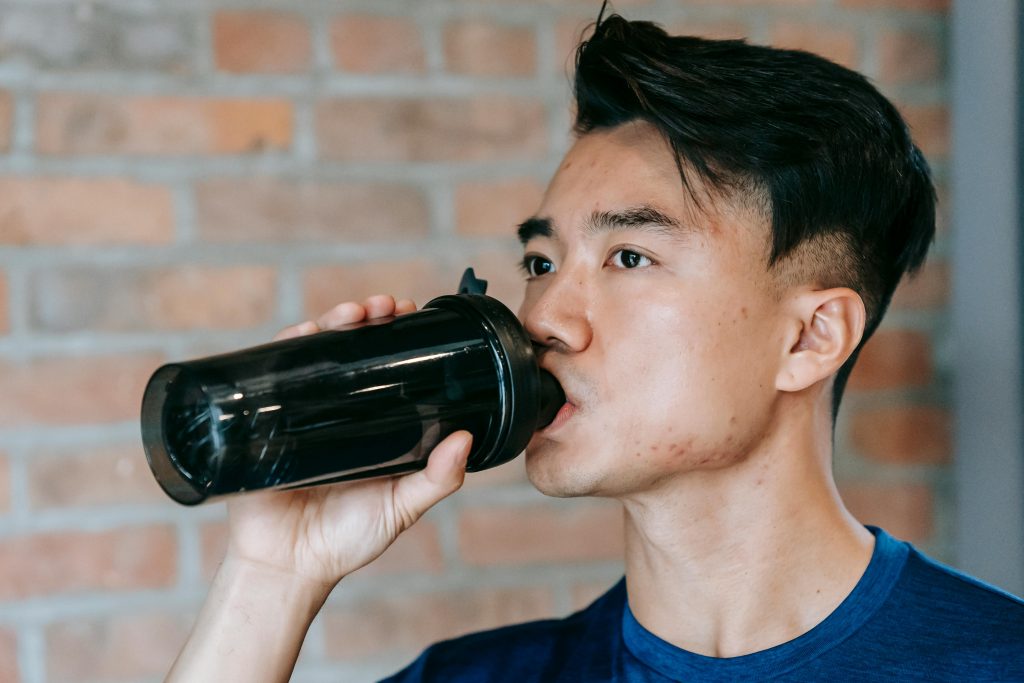
In particular, in the context of sports nutrition, a theory called the “anabolic window” is known, according to which the organism is particularly receptive to nutrients in that more or less short time interval. immediately following physical exertion.
Many coaches recommend consuming a significant amount of calories during this time frame to optimize metabolism. It’s believed that consuming nutrients during this period can influence the body’s use of the nutrients it receives: carbohydrates are used to replenish depleted stores, proteins are used to repair damage to muscle cells caused by training loads and to synthesize new muscle mass.
By using this time to eat, you should gain relatively little weight, optimizing recovery and the positive impact on body composition. When planning your sports nutrition protocol, it’s therefore good practice to plan a post-workout recovery meal. You can learn more about the best times to eat on the Timing of meals.
The use of food supplements
Some substances , even if they are not strictly related to foods, can have a positive influence on recovery and body composition and therefore on sports nutrition. Many are specifically formulated to be included in a sports nutrition context. These are food supplements.

Some supplements have a direct influence on physical performance, promoting better performance during training and competition (e.g. anhydrous caffeine), others can improve body composition, promoting the accumulation of new lean mass (e.g. amino acids, soluble proteins) or weight loss (e.g. guarana, conjugated linoleic acid), and still others can facilitate the disposal of fatigue waste products (e.g. sodium citrate).
Knowledge of these substances can help individuals with particular difficulties find nutritional help, often far from negligible, to overcome the performance blocks they encounter.
Find out more
This, in short, is the procedure for developing a sports nutrition protocol. If you’re interested in learning more about these methods, I suggest reading the athlete nutrition manual on Athleticdieting.com, starting from the site’s home page.